Overview
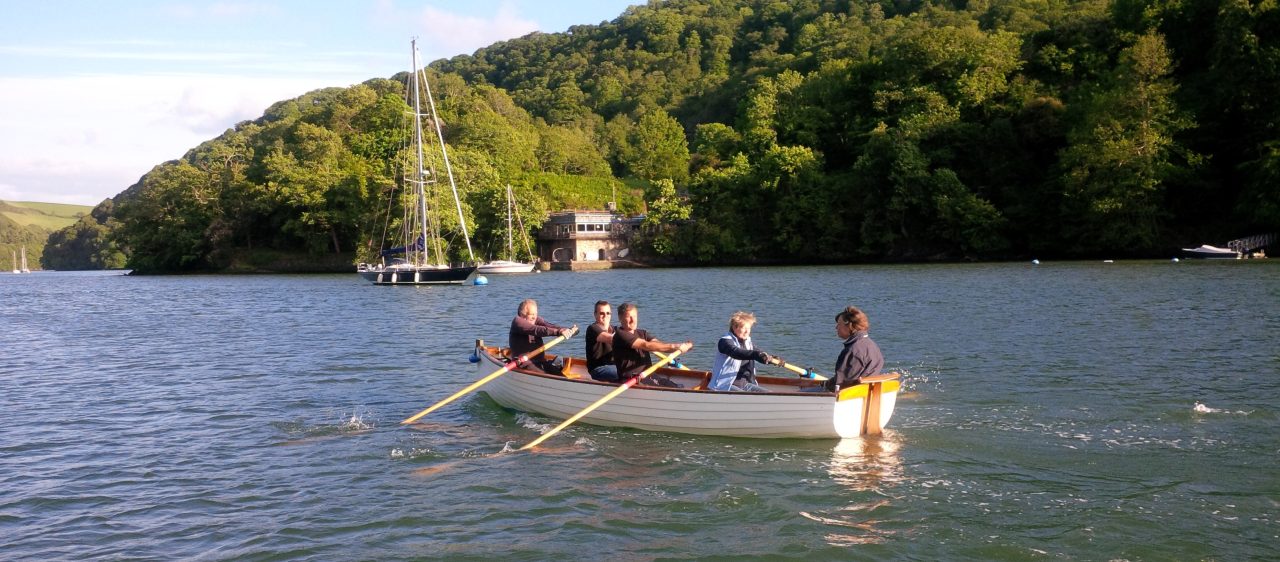
The purpose of our Emergency Plan is to ensure the safety of all club members during rowing activities, including training sessions and races on the River Dart. The Plan aligns with British Rowing guidelines for rowing clubs and is specifically adapted for tidal rowing conditions and coxed rowing. It details steps to follow in emergency situations, provides essential first aid guidelines and reinforces the culture of safety within the club.
Emergency Contact Numbers
| Emergency Services (Police, Ambulance, Fire, Coastguard) | 999 |
| NHS Helpline | 111 |
| Dartmouth Harbour Office | 01803 832337 |
| Dartmouth Harbour Office (Out of hours) | 07968839846 |
| Coastguard | 01326 317575 |
| Dartmouth Lifeboat Station | 01803 839224 |
| Dartmouth Medical Practice | 01803 832212 |
| Torbay Hospital | 01803 614567 |
Defibrillator Locations
Phone box next to Lower Ferry on South Embankment
Dartmouth Amateur Rowing Club, Sandquay Road
Air Ambulance Charity Shop, Smith Street
Phone box, Higher Contour Road, Kingswear
Emergency Procedures
General Procedures for emergencies on the water
- Stop rowing. At the first sign of danger, (capsize, sudden illness, or collision) stop rowing immediately
- Assess the situation. The cox or senior rower should quickly evaluate the nature of the emergency.
- Raise the alarm. If assistance is required, raise the audible alarm (shout for help, sign to other boats or sound the mouth horn).
- Call emergency services, if necessary. Dial 999 and request coastguard assistance if on the water and/or an ambulance if there is a medical emergency.
- Evacuate or aid casualties. Prioritise removing individuals from the water if there is a risk of drowning, hypothermia or injury. Keep calm and follow the basic first aid principles as outlined below.
Procedure for capsize
- Check for injuries. The cox should ensure all crew members are accounted for and uninjured.
- Stay with the boat. Unless there is an immediate danger (eg. Approaching traffic, rough waters). All crew members should stay with the boat to aid visibility and flotation.
- Signal for assistance. Raise an audible alarm or use hand signals to alert nearby boats or support vessels.
- Follow hypothermia prevention measures. Encourage any crew members feeling cold to keep as much of their bodies as possible out of the water. Use foil blankets contained in the first aid kit.
Procedure for Medical Emergency
- Move to safety. If possible, bring the affected rower to shore. Keep the rower calm and assess injuries.
- Call for assistance. Dial 999 for emergency medical help if the injury or illness is serious.
- Administer basic first aid. Use guidelines below for treating conscious injuries.
- Monitor condition. Stay with the rower until medical help arrives, keeping them calm and comfortable.
Procedures for Adverse Weather and Tidal Conditions
1.Stop rowing. If conditions on the water become dangerous, (rough seas or, strong currents) return to shore immediately.
2. Evacuate if needed. Call emergency services (Coastguard or Dartmouth Harbour Office) if unable to safely return to shore due to weather or tide.
First Aid Guidelines
Hypothermia
Symptoms: Shivering, confusion, slurred speech, drowsiness
Treatment:
- Move the rower to a sheltered position on the boat and to shore as quickly as possible
- Remove saturated clothing and replace, if available, with warm, dry layers
- Encourage the rower to drink warm, non-alcoholic fluids when available
- Seek medical attention if symptoms are severe
Drowning/Near Drowning
Symptoms: Difficulty breathing, coughing, panic, confusion
Treatment:
- Ensure the rower is out of the water and in a stable safe position
- If unconscious, perform CPR if trained and call for help immediately
- Monitor breathing and pulse closely until emergency services arrive
Minor Injuries (eg. cuts, scrapes, strains)
- Clean the cuts with clean water and apply a sterile dressing
- For strains or sprains, apply cold compression and elevate injured limb
- Seek medical advice if injury appears serious
- Do not give pain killers as some people have an allergic reaction
Severe injuries (eg. Fractures, head injury)
Symptoms : severe pain, deformity, confusion (in case of head injury)
Treatment:
- Stabilise the injury without moving the affected area
- Apply a sterile dressing to open wounds
- Call emergency services and avoid further movement until help arrives
Equipment and Safety Checks
Essential Equipment
- First Aid Kit: Fully stocked first aid kit should be carried on all boats
- Mobile Phone/VHF Radio: A reliable means of communication should be on board to reach emergency services and raise the alarm
- Throw Bags and Rescue Ropes: for emergency use in capsizes or when someone falls overboard
Annual Safety Checks
- Check all boats, oars and equipment for damage or wear
- Ensure personal flotation devices, if provided, are properly secured and accessible
- Confirm all members are aware of the dangers of tidal and adverse weather conditions
- Ensure safety boat availability for coastal rows and competitions
- Confirm readiness of first aid kit and emergency equipment
Review and Training
- Regular Training: The club should conduct regular safety training sessions, including capsize, man overboard and basic first aid procedures
- Annual Review: The Emergency Plan should be reviewed annually to ensure that it remains current and effective
- Incident Reporting: Any incidents or near misses should be reported and documented, and procedures should be updated as needed to enhance safety on the water
 River Dart Rowing Club